
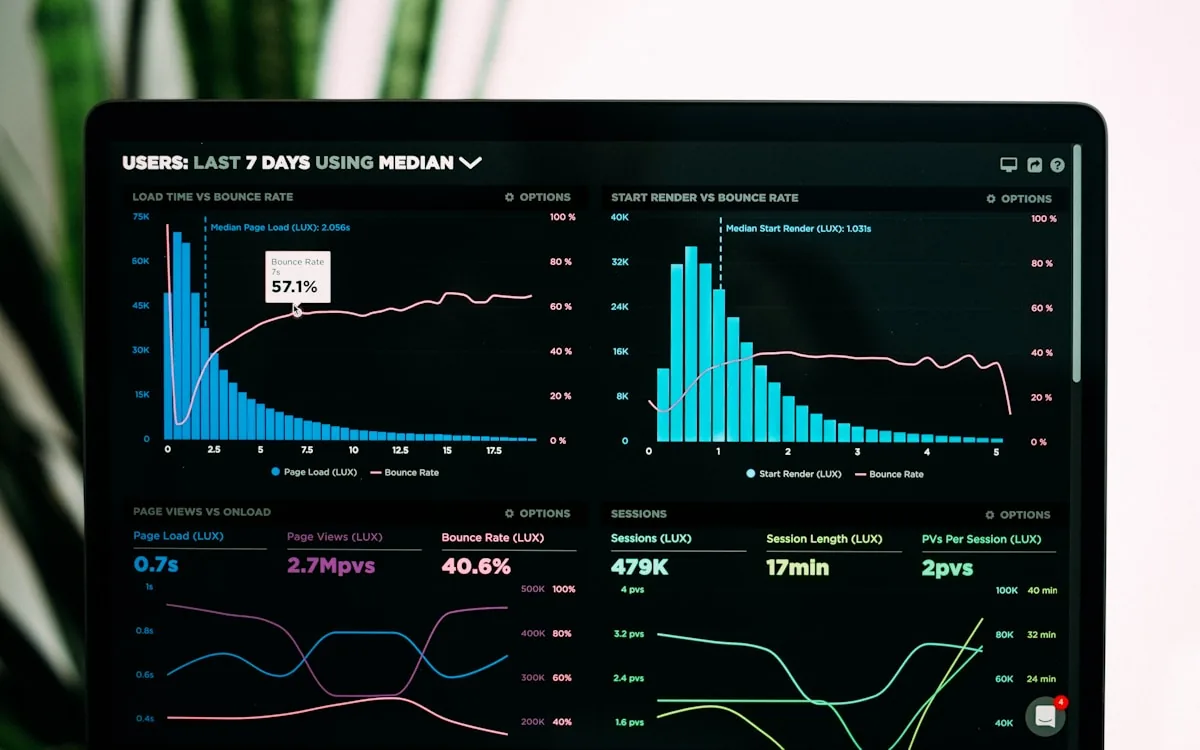
Industrial IoT projects often start with a lot of data and end with few decisions. The reason is that the question "which decision will this data support?" is asked after the sensor is chosen, not before. A motor's vibration signal is valuable if it tells the maintenance team when to schedule the next shutdown. A chart that only looks good on a dashboard is not.
In practice we look at three layers. The measurement layer covers sensor choice and sampling rate. The communication layer selects the protocol that fits the environment and the latency requirement: Modbus is common on wired lines and MQTT on wireless networks. The decision layer defines thresholds, alert rules and who receives each notification. A fixed threshold produces false alarms when the ambient temperature changes. Setting thresholds from the recent normal behaviour of the equipment usually causes fewer problems.
Planning a similar project?
We can talk through how the topic in this article applies to your product.